This was changed/removed. Thanks for reporting the issue so we could get it corrected!
OK cool, so it only checks files once. And it’s basically a second opinion if I understand correctly.
BTW, make sure to check this stuff out about code injection. It’s of course in certain cases a bit hard to protect against all types of code injection, but it’s not impossible to implement detection, without causing many false positives.
Our team will review this. Thanks for sharing this information so we can improve!
I think we do check the hashes on every launch, not just once. I will double check with our team.
Hi Carl,
Could you please check something that I posted today: Notification of binary changed but same hash
Any idea of why this happens?
CB
1 Like
I’m checking it now with our team. Sorry for the issue. I haven’t experienced this myself or seen it reported before, very strange!
BTW, have you guys already decided on bringing back protection against code injection?
I have just followed up with our developer to see how easy it is to detect/stop again with the latest Windows versions.
Any news on this? Will protection against code injection come back? 
At this time, with the latest Windows versions, we don’t feel we can do this reliably.
Too bad, and I wonder how you came to this conclusion, because other tools do offer this feature. Perhaps you guys should use AI assisted coding?
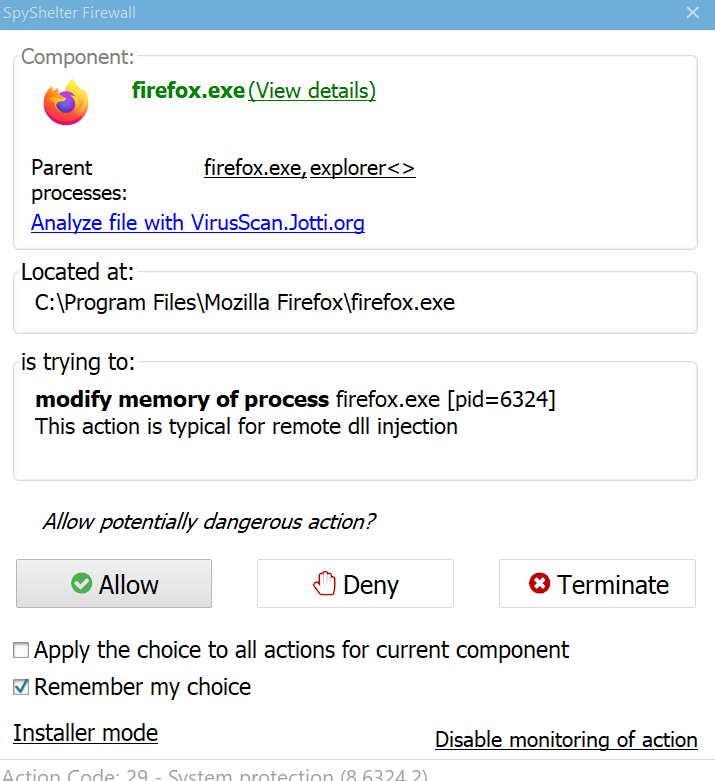
Just a small example of how it can be useful, I noticed that Firefox has made a change in its design, it now wants to inject code into its own process, SpyShelter 12 alerted about this. In certain cases, this might also point to possible malicious behavior.
1 Like
That’s interesting, I wonder why they do that. What Windows version is that?
It’s some design change in Firefox, perhaps it has got something to do with their sandbox. It’s on Win 10, but this is not relevant, since Firefox will probably do this on all Windows versions.
But code injection is often used by malware, and even on Win 11 you should still be able to protect against it. I’m not sure why you guys believe it can’t be done reliably.
1 Like
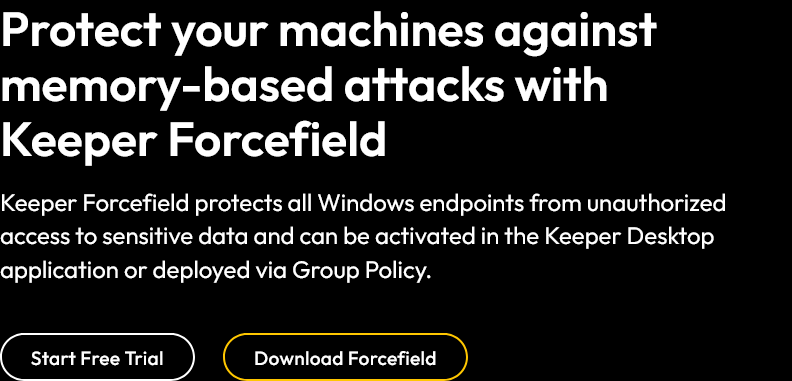
By the way, I found this other tool named Keeper Forcefield, it’s from the maker of the popular password manager tool. It protects against keyloggers who try to read/access browser memory.
It’s this type of innovation that I miss in SpyShelter 15. As said before, KeyScrambler also works just fine on Windows 11. 
1 Like
That actually looks really unique and cool! I was just looking at their website. Keeper Forcefield for Windows I guess the downside is that it’s another driver, but it sounds like it’s worth it, and they have experience with making popular applications so it’s probably good and stable.
Yes, and it was actually tested against a couple of popular infostealers, so it works as advertised, see link. This stuff should have been added to SpyShelter, but we already talked about this.
1 Like
Have you tried it, and is it free? That’s interesting that every single other password manager failed. Or maybe not interesting… but scary.
I have not tried it, because I don’t want to install any more security tools, because of the risk of conflicts. If I buy a new laptop I might try it in a virtual machine first.
And yes, password managers can’t really protect against infostealers, you need specialized tools for this. This type of stuff would be a major selling point for SpyShelter, you see why I tried to motivate you guys to add a couple of features?
But OK, you already explained why you guys didn’t.
You are misunderstanding, we’re talking about Keeper Forcefield, this is a freeware tool. So you don’t have to use/buy the Keeper Password Manager app. Perhaps you can edit your post, to avoid confusion.
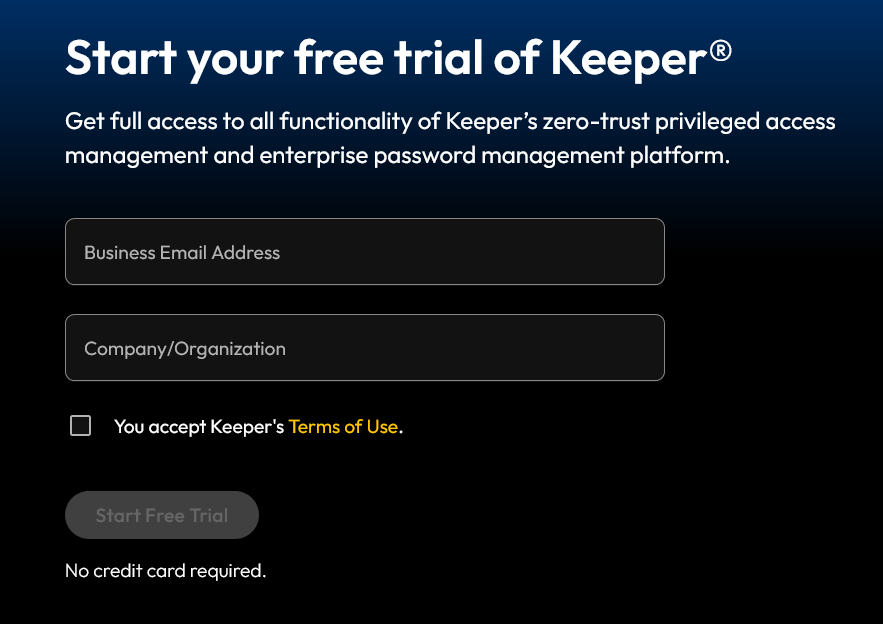
It doesn’t seem that Keeper Forcefield is free. Where did you find that info ?
Here it is the Keeper Forcefield official website Keeper Forcefield for Windows
It refers to a Free Trial period, not to freeware.